Buy Broken Roads at the Best Price
- PC
- PS5


Top retailers
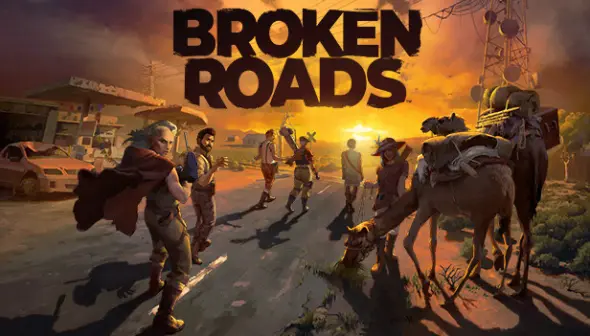
Broken Roads is a narrative-driven RPG set in Australia in the midst of a post-apocalyptic future. Explore a vast territory as you face countless challenges in an epic adventure where you have to do whatever it takes to survive. Every one of your decisions shapes the world around you and will lead to different outcomes.
Broken Roads features a complex storyline where you often confront moral dilemmas in your relationship with other characters. The game includes a morality system that takes the shape of a compass. It will allow you to create a unique character with its own moral entity and watch it evolve through a perilous journey through a wasteland. In Broken Roads, you will have to fight to survive while you take part in exciting turn-based combats. Develop your combat abilities, choose your weapon, and get ready to face tough opponents in tactical battles where positioning is as important as your strategy.
A sprawling world in the aftermath of a colossal catasprophe awaits you in Broken Roads, will you survive enough to explore it?
Best deals for Broken Roads








Technical information
- Official website
- Categories : Role-Playing
- Editor : Versus Evil
- Developer : Drop Bear Bytes
- Mode(s):
-
- Solo ( At Launch)
- Release date : April 10, 2024
- System Requirements
-
- Minimum
- OS: Windows 10 (64 bit)
- CPU : Pentium 4 1.40GHz
- RAM : 4 GB
- GPU : GeForce GTX 970 / Radeon RX 570
- Storage : 10 GB
- Age Rating
-




Supported languages
| Interface | Audio | Subtitles | |
|---|---|---|---|
| English | |||
| Polish | |||
| Korean | |||
| Russian | |||
| Chinese (Simplified) | |||
| German | |||
| French | |||
| Portuguese (Brazil) | |||
| Spanish (Spain) | |||
| English (UK) | |||
| Finnish |


-
Related news
-
Humble Dice and Destiny Bundle includes Disco Elysium, Broken Roads, and more3/27/25
- Also Published By Versus Evil
-
 $3.93Astor Blade of the MonolithEneba
 -
 $3.74Tamarak TrailSteam
 -
 $0.88Lil' GuardsmanKinguin
 -
 $7.49Stray SoulsPlayStation Store
 -
 $2.18EvilleKinguin
 -
 $5.20The Hand of MerlinKinguin
 -
 $1.97UnMetalKinguin
 -
 $2.46SockventureKinguin
 -
 $3.15Almighty Kill Your GodsKinguin
 -
 $1.60HitchHiker A Mystery GameKinguin
- Most Popular
-
$37.99WardogsKinguin
-
$18.65ValheimKinguin
-
$40.84Crimson Desert EnhancedGAMESEAL
-
$47.98Blood of DawnwalkerKinguin
-
$29.99Diablo 4 Lord of HatredSteam
-
$22.71RuneScape DragonwildsLootBar
-
$31.82Halloween The GameKinguin
-
$46.81Onimusha Way of the SwordKinguin
-
$39.85Resident Evil RequiemGamebillet
-
$70.31Grand Theft Auto 6Difmark
- New games
-
$13.72Kernel HeartsEneba
-
$16.04The Walking Dead Streets of SurvivalKinguin
-
$39.99The Grinch 2 Saving ChristmasPlayStation Store
-
$4.11O.B.O.LEneba
-
$8.78Sniper DanDifmark
-
$7.83Roman Sands RE BuildKinguin
- Available soon
-
$17.75Graveyard Keeper 2Instant Gaming
-
$37.49SILENT HILL TownfallGreenmanGaming
-
$27.20Total War WARHAMMER 3 Lords of the End TimesFanatical
-
$26.35Garfield Escape from MondayInstant Gaming
- Trending Now
- Summer Event 2026 Wrap-Up & Leaderboard9/1/26Gaming News
- BlizzCon 2026: Diablo V, a new StarCraft, and World of Warcraft: Forever9/13/26Gaming News
- Warhammer 40,000: Space Marine 2 Patch 15 Brings Chaos to Siege9/4/26Gaming News
- GTA VI gets two flashy limited-edition DualSense controllers before release9/4/26Hardware News
- The Blood of Dawnwalker is already a hit on Steam9/3/26Gaming News
- News, Good deals
- Edge of Memories Confirms November 5, 2026 Release Date15 hours agoGaming News
- Bloodstained: The Scarlet Engagement Shows New Gameplay Trailer16 hours agoGaming News
- The Rogue Prince of Persia Gets a Major Anniversary Update17 hours agoGaming News
- STAR WARS Zero Company keeps pushing forward17 hours agoGaming News
- TCG Card Shop Simulator launches with its own TCG game18 hours agoGaming News
- Woodo turns wooden dioramas into a puzzle adventure19 hours agoGaming News
answering the message of