How Microsoft’s cuts could reshape the future of game development

The video game industry has spent the last few years building an empire of impossible proportions. Publishers bought studios like they were collecting Pokémon cards, promising creative freedom, bigger budgets, and a golden age of game development. Microsoft was one of the biggest collectors of them all, turning Xbox into a sprawling family of developers that included Bethesda, ZeniMax Online, Obsidian Entertainment, id Software, and many others. Now, however, the company appears to be reaching for a very different tool: the scissors.
Microsoft’s latest round of Xbox cuts has sent shockwaves through its internal studios, raising uncomfortable questions about the future of AAA game development. After years of expanding its gaming empire, is Microsoft simply making a necessary correction in an industry that became too expensive and bloated? Or is it trimming away the very creative talent that made these studios worth buying in the first place?
The answer, as usual, is probably somewhere between those two extremes. But the consequences could reshape how blockbuster games are made for years to come.
From "creative freedom" to "creative efficiency"?
When Microsoft acquired ZeniMax Media, the company made a major promise: Bethesda's studios would maintain their identity while gaining the financial security of Xbox. The message was clear — Microsoft wanted the best of both worlds: independent creativity backed by corporate resources. The reality after these cuts looks much more complicated.
The new direction appears to prioritize fewer, bigger bets. Instead of allowing dozens of projects to exist simultaneously, Microsoft seems increasingly interested in putting its strongest franchises under the spotlight. Fallout, The Elder Scrolls, Doom, Call of Duty, and other proven names represent safer investments in an industry where blockbuster budgets have become frighteningly high.
From a financial perspective, it makes sense. A single unsuccessful AAA game can now cost hundreds of millions of dollars and require years of development. Investors do not like uncertainty, and Microsoft is hardly alone in trying to reduce risk.
But gaming has always been a strange industry where the safest option is not always the most successful one. Nobody knew that Minecraft would become one of the biggest games in history before it existed. Nobody could guarantee that The Elder Scrolls would become a cultural phenomenon before Bethesda took risks. Great games often begin as ideas that look too strange, too ambitious, or too uncertain.
The danger is that Microsoft’s new strategy could create a healthier business while producing a less interesting creative landscape.
Bethesda’s problem: too many worlds, not enough oxygen?
Bethesda now finds itself in a fascinating position. The company owns some of gaming’s most recognizable universes, but those worlds are enormous, expensive, and time-consuming to maintain. Bethesda Softworks built its reputation on giving players giant playgrounds filled with strange characters, unpredictable moments, and endless exploration. The problem is that those playgrounds take years to build.
Microsoft’s solution appears to be focusing heavily on the franchises that already have guaranteed audiences. That could mean more Fallout, more Elder Scrolls, and more Doom. For fans, that sounds exciting — until the obvious question appears: What happens to the weird stuff?
The experimental RPG that never becomes a billion-dollar franchise? The smaller project that discovers a new audience? The game that surprises everyone? A company cannot manufacture the next major hit by only looking at the last one.
Obsidian’s Fallout future: a dream opportunity or a creative detour?
Few studios represent this dilemma better than Obsidian Entertainment, which has always been the slightly rebellious cousin of the RPG family. Its games are known for dialogue, player choice, complicated worlds, and stories that do not always follow the traditional blockbuster formula.
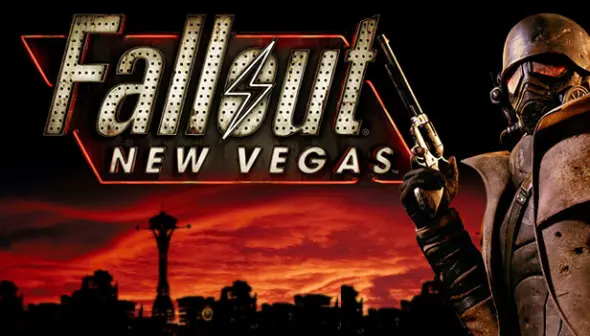
Reports that the studio's plans may have shifted away from an Avowed sequel toward a new Fallout project immediately sparked debate. On paper, it sounds like a perfect match. Obsidian created one of the most beloved Fallout experiences ever with Fallout: New Vegas, and returning to that universe could be a dream scenario.
But there is another way to look at it. Is Microsoft giving Obsidian the keys to a legendary franchise, or is it asking the studio to stop exploring new roads and return to a familiar highway? A new Fallout from Obsidian could be incredible. It could also become another example of the industry increasingly asking talented teams to work inside existing brands instead of creating new ones.
id Software and the cost of losing experience
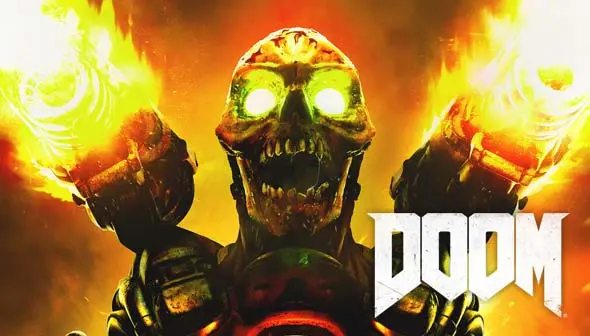
The situation at id Software may be even more concerning because the studio represents something increasingly rare: deep technical expertise. id Software is not just the home of Doom. It is one of the companies responsible for pushing video game technology forward. Its engines and rendering techniques influenced generations of developers. Losing experienced employees is not simply a matter of reducing a budget. It is like removing pages from a history book.
A studio can continue making games, but some knowledge disappears when veterans leave. This is one of the hidden costs of industry-wide layoffs. Companies often measure savings in salaries, but they rarely measure what is lost in experience, creativity, and institutional memory.
The live-service question: is bigger always better?
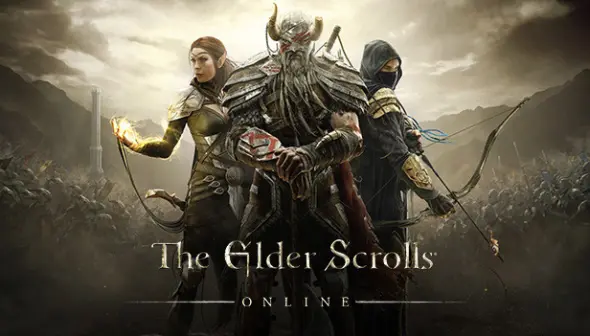
ZeniMax Online’s cuts also highlight another major question for Microsoft: does the company still believe in the endless-service future? Games like The Elder Scrolls Online require constant attention. They are not finished products; they are living worlds. Every update, expansion, and event depends on teams that understand the game's history.
Reducing teams behind these projects might make sense financially, but live-service games are fragile ecosystems. Players notice when updates slow down, when communication decreases, or when a game begins feeling like it is running on autopilot. The challenge is that Microsoft now owns many worlds that need constant care. A smaller workforce may create a more efficient company, but efficiency and creativity do not always walk together.
Is Microsoft making the right move?
The uncomfortable truth is that Microsoft's strategy is not irrational.The gaming industry may have expanded too quickly. Companies spent enormous amounts chasing growth, acquisitions, and endless content pipelines. Some correction was inevitable.
However, the question is whether Microsoft is correcting the problem or simply following the same pattern that has affected the entire industry: buying creative companies and then slowly turning them into machines designed to produce predictable returns. Xbox does not have a shortage of famous franchises. It has the opposite problem — it owns so many that it risks becoming obsessed with protecting them.
The future of gaming cannot be built entirely from sequels, remakes, and established brands. Those games matter, but the industry also needs new ideas, strange experiments, and developers who are allowed to create something nobody expected.
Microsoft may end up with a leaner, more profitable Xbox. But the company now has to prove that cutting costs does not mean cutting away the imagination that made its studios valuable in the first place. Because in gaming, the next Fallout, Doom, or Elder Scrolls does not always come from protecting yesterday's successes. Sometimes it comes from giving someone the freedom to create tomorrow's surprise. Whatever happens, people will continue playing video games, and you can rest assured that dLcompare will be there to help you getting your favourite games at the best price.










- Trending Now
- Summer Event 2026 Wrap-Up & Leaderboard9/1/26Gaming News
- Cyberpunk 2077 outsells Gears of War: E-Day10/7/26Gaming News
- Star Wars: Galactic Racer proves that there is more than Jedi and Sith10/5/26Gaming News
- This Week's Video Game Releases - October 2026 (Week 41)10/5/26New Game Releases
- Minecraft Dungeons II Is Now Playable on Steam Deck After a New Update10/1/26Gaming News
- News, Good deals
- PAPERHEAD: a cardboard nightmare turned into a bloody shooter8 hours agoGaming News
- Silver Pines turns a mystery into a surreal horror nightmare9 hours agoGaming News
- Modern Warfare 4: DMZ has been officially unveiled10/6/26Gaming News
- MXGP 26 Brings Motocross Back with a More Authentic Feel10/5/26New Game Releases
- The Merlies Turns the End of the World into a Heartwarming Adventure10/5/26New Game Releases
- Gears of War: E-Day reinvents the classic Gears formula10/5/26Gaming News
- Most Popular
-
$51.47EA SPORTS FC 27Eneba
-
$21.13Minecraft Dungeons 2Difmark
-
$29.59WardogsGameBoost
-
$39.86Crimson Desert EnhancedGAMESEAL
-
$56.12ACE COMBAT 8 WINGS OF THEVELootBar
- New games
-
$14.41PaperheadKinguin
-
$26.99Dragon's Dogma 2 Dark ArisenGamesplanet US
-
$24.59Dragon's Dogma 2 Dark Arisen ExpansionGreenmanGaming
-
$32.07Clive Barker's Hellraiser RevivalLootBar
-
$18.66Silver PinesKinguin
- Available soon
-
$41.41Planet Zoo 2Instant Gaming
-
$22.49Warhammer 40,000 Boltgun 2Steam
-
$22.49Castlevania Belmont's CurseGreenmanGaming
-
$42.47Stupid Never DiesGamebillet
-
$39.99DEMONS' NIGHT FEVERGreenmanGaming
answering the message of